News about our activities and stories from our network.
Welcoming the Kbean Project from South Korea

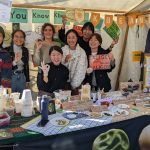
The Global Bean team was lucky to receive the KBean project form South Korea, in Berlin for a 3-day visit.
News about our activities and stories from our network.
The Global Bean team was lucky to receive the KBean project form South Korea, in Berlin for a 3-day visit.
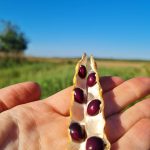
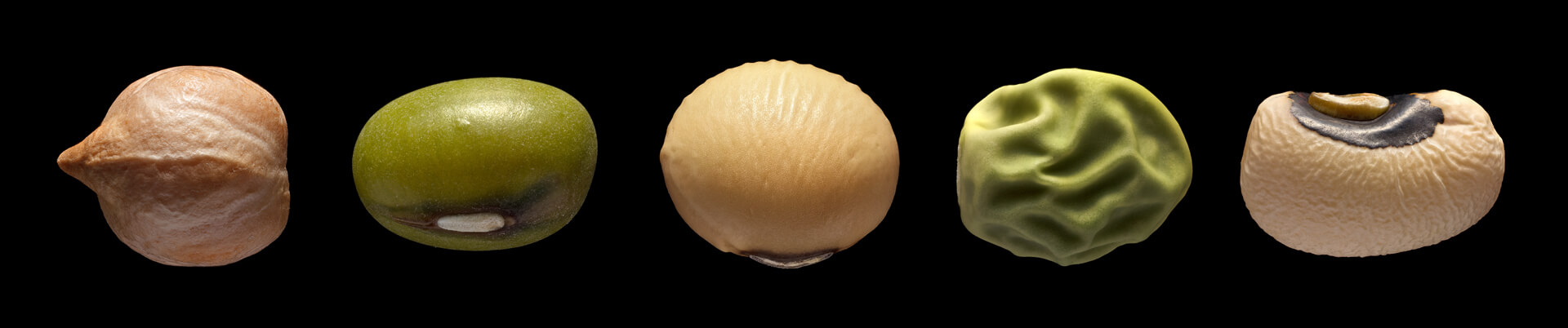
The beauty in the seeds and further advantages of producing your own legume seeds This article has also been published in German on the TerrABC platform, terrabc.org. Legume seeds are living miracles The other day, I was looking at some beans before cooking them and I had an “aha-moment”: a plant had used the genetic
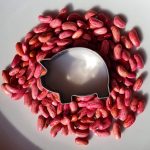
Takeaways from Terra Madre 2022 Closed roundtable, public conference and a closer look at the recent IPES-Food report The high protein content of pulses is one of the main reasons why we (the Global Bean community and many others) believe that they have a key role to play in fixing our broken food system –
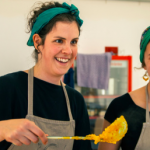
What is your name? What are the main projects or organisations you are currently involved in? Can you briefly present their activity and your function? My name is Claudia Friedrich, and my company is called heldenküche. At heldenküche we love good food and cooking. heldenküche is present in Leipzig, Stockholm and on your web-device. Our cooking

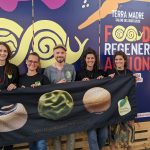
Until now the Global Bean Project has been a digital network for me. Enthusiastic people —some might say nerdy :)) — work together to share knowledge through online meetings and publications to promote the wonderful and diverse family of legumes. This time however, thanks to our yearly cooking event „Give peas a chance“ in collaboration
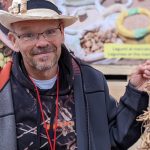
Ever heard of “Updrögt beans”, mysterious name for a traditional method of preserving beans? Michael Recktenwald – Chef of the SlowFood Chef Alliance and resident of Langeoog, one of the seven Islands in East Phrygia where those beans originate – shared the story of the beans with the Global Bean team, and now, with you.
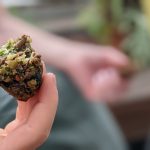
Last Saturday at the Global Field in Berlin, surrounded by the luscious plants of the greenhouse, Cecilia Antoni (@bean.beat) of the Global Bean team held a speech about the advantages of pulses in our diet during the evening event, “Iss mir Bohne!”. This event, whose title is a world play on “Eat more beans” and
What a ride bean-friends, what a growth! As October creeps in, and the summer heat abruptly leaves way to freezing cold – in Germany at least – what better occasion to look back on where the beans started, and where they are now. In May, as the soil was freezing cold as well in the

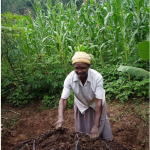
Many regions of Kenya can be categorized into arid and semi-arid lands that receive unsustainable rainfall of between 250mm-500mm. Millions of smallholder farmers in the arid and semiarid lands of Kenya prefer cultivating legumes over other cash crops – crops grown mainly for sale – due to…
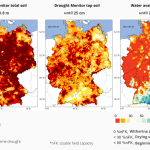
There is no denying that 2022 has been a particularly dry year.
However, for most field crops like pulses, it can be positive to have “dry weather” at the end of the crop cycle for example. Did legume yields suffer from the drought? What parameters are the ones impacting legumes? What are the means to adapt legume cultivation to the drought in Europe?
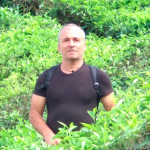
My name is Nikos Dompazis and I grow traditional varieties of legumes and vegetables since 1996, in a garden of approx. 700 m2 in Northern Greece (Komotini).

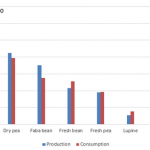
Grain legumes have several agronomic, environmental and dietary benefits. Surprisingly, they play only a minor role in today’s farming systems as well in human nutrition in the EU. In fact, dry grain legumes represent only 2.1 % of arable land in the EU – but with an increasing trend.