“The only real food we can eat is food from farms!”
That was the message from Vandana Shiva as she addressed the crowd at Berlin’s Weltacker 2000m², an educational plot in the Pankow district that highlights the agricultural means needed to feed the world’s population.
For decades, Shiva has been advocating for biodiversity, the rights of farmers, and seed-saving. As the founder of the Navdanya movement, which promotes organic farming and opposes corporate seed patents, she’s a leading figure in food sovereignty.
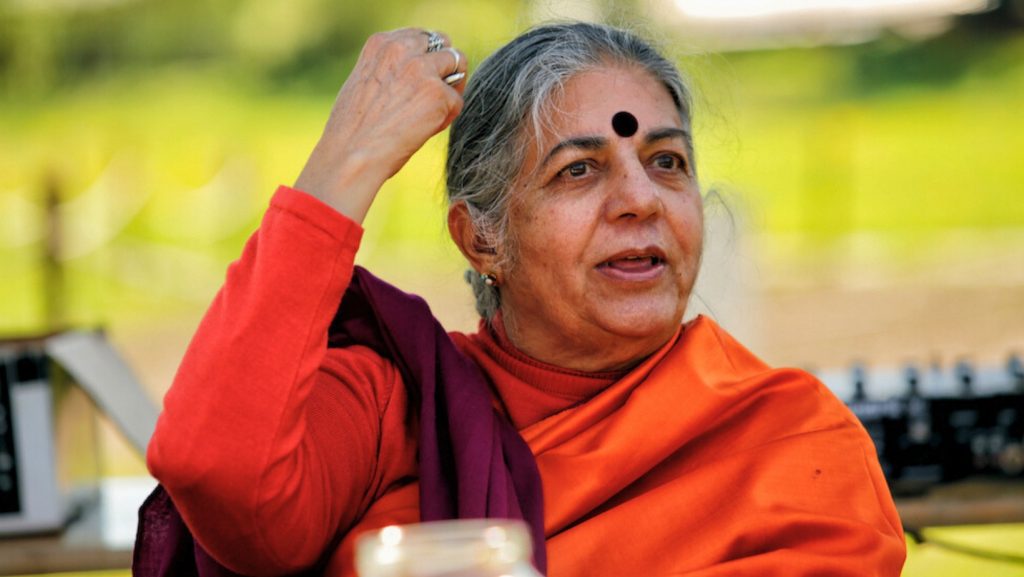
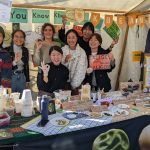
Shiva’s talk was one part of the Global Bean Project’s 2023 Seed Festival and kicked off the online programme. Along with a speech from French chef Xavier Hamon, the festival’s virtual component included contributions from six of the project’s partner organisations who were simultaneously running seed festivals in their local communities.
As visitors to the Berlin event enjoyed some hearty legume-based fare, they listened to Shiva’s rousing address. She described the human and environmental impact of farming with genetically modified seeds and urged listeners to respect the integrity of plants.
Representing the Alliance of Free and Living Tables, Xavier Hamon spoke about the politics of gastronomy. “I am very proud that a cook has been asked for political comments,” he explained. “It means that the view of our profession is starting to change.”
Hamon lamented the losses that have been faced in both the hospitality and agricultural sectors, with many people losing their connections to the natural world. Ending on a hopeful note, he encouraged listeners to reclaim power over food systems and fight for the common good.
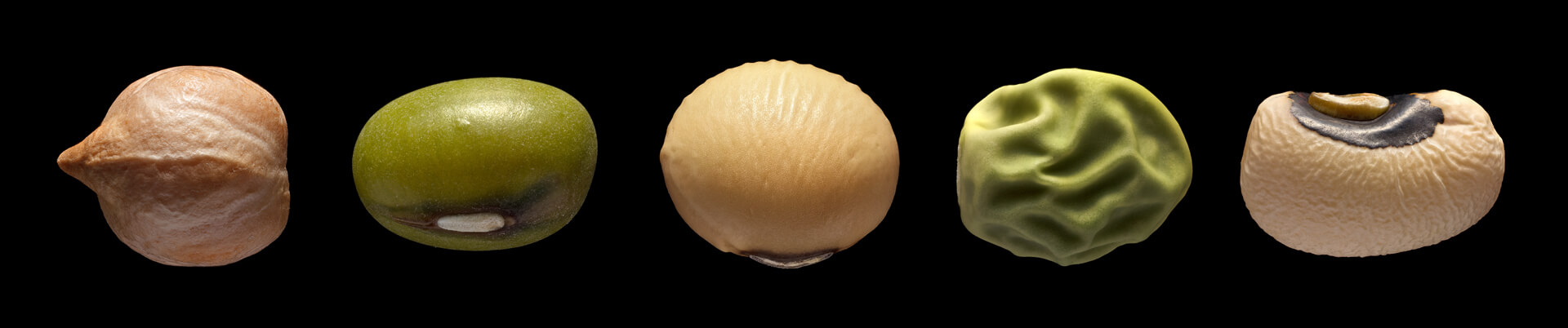
Also joining from France, Jean-François Tedesco introduced an intriguing project, describing how the rare ‘Meat Bean’ from the Rhône-Alpes region was saved from extinction through DIVINFOOD’s Living Labs initiative. Testing the bean in different growing conditions, looking into its economic viability, and working with a range of different chefs, their project explored the bean’s entire lifecycle from seed to plate.
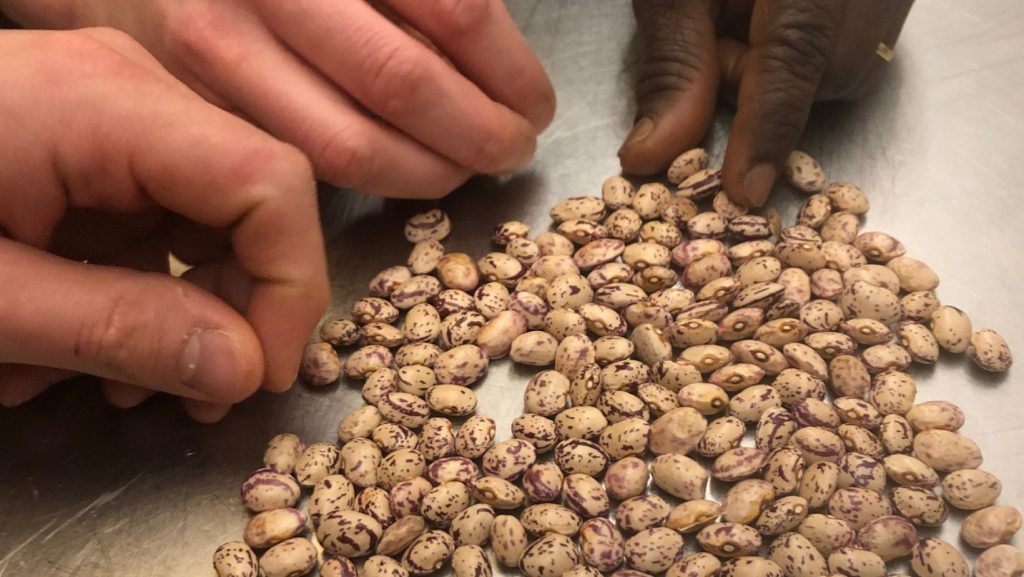
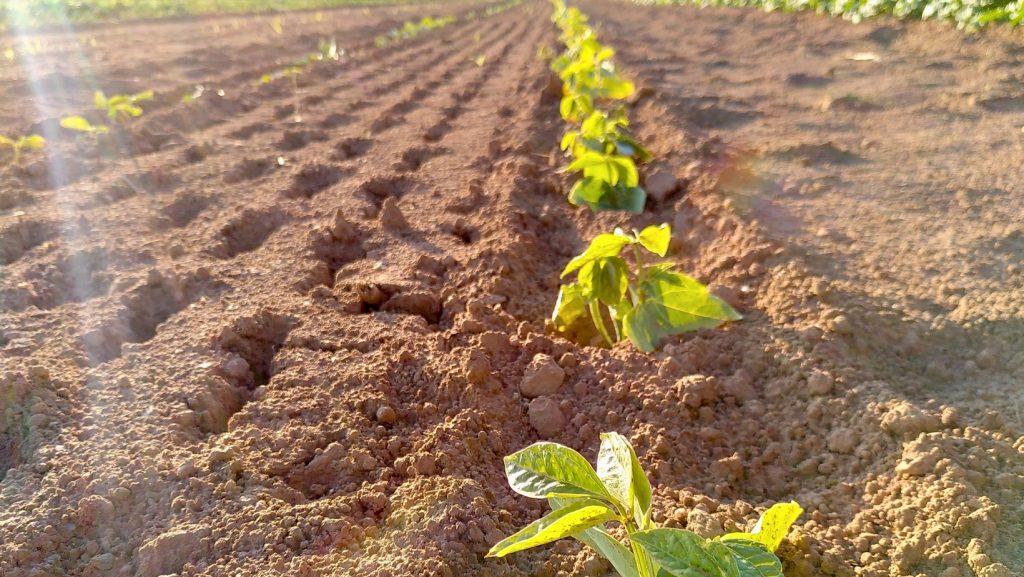
Continuing the legume theme, Nicolas Carton talked about the Catalan Cowpea and its long history of cultivation in the region. Its taste is more subtle compared to the widely known black-eyed pea and, in the past, many families would have grown it at home. These days, large-scale cultivation is less common due to changes in seasonal rainfall and high production costs. Since different parts of the crop mature at different times, mechanising the production process is challenging, and growing this under-exploited legume requires a significant amount of hands-on labour.
Established in 1997, Albania’s Organic Agriculture Association has played an important role in promoting organic farming in the region. Executive Director Lavdosh Ferruni gave a virtual tour of their well-attended seed festival in Korça. The attendees, including the mayor, raised their glasses, saying “Gëzuar,” meaning cheers.
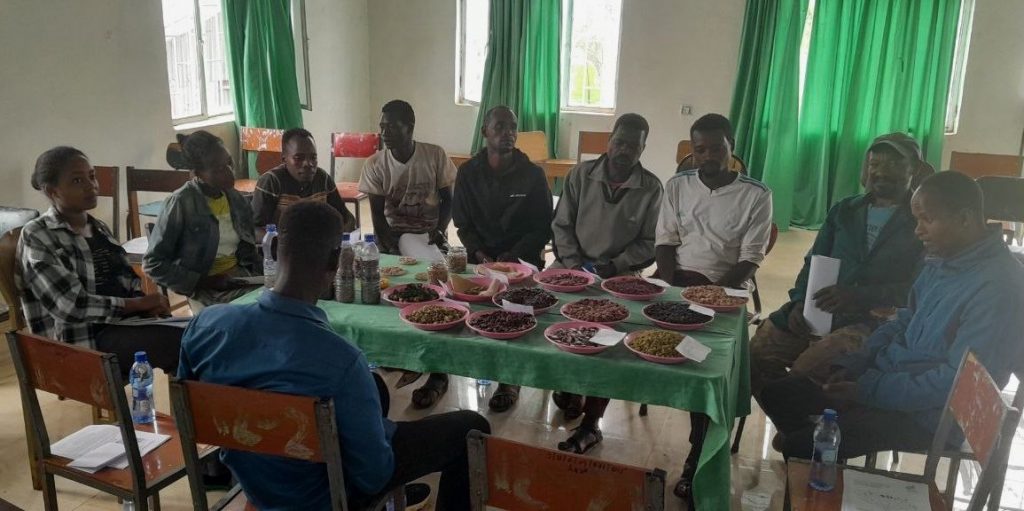
In Gidole, Ethiopia, Amanuel Samuel of the Gardula People’s Development Association presented one of their gardens, focusing specifically on the pigeon pea. He described how farmers had gathered to share their knowledge about legumes and exchange seeds during the event.
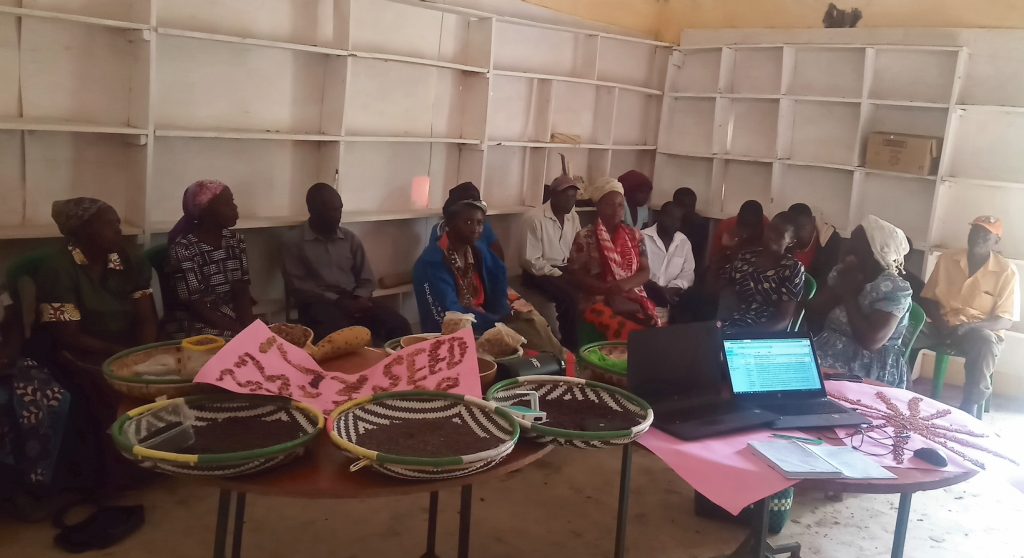
Mercy Ambani of Seed Savers Network Kenya welcomed online attendees to their seed bank and introduced local legume varieties. Network members had created artwork that read “My Seed, My Food, My Future.” “If a family is not seed secure, then they are not food secure,” she explained, underlining the importance of the organisation’s work.
In rural Austria, Michaela Arndorfer introduced the Arche Noah Association and also showcased local legume varieties. Alongside saving and multiplying seeds, the organisation also disseminates information and advocates for agro-biodiversity-friendly legislation in Europe.
Overall, the range of organisations and attendees who participated in this year’s seed festival gave a sense of the growing interest globally in seed saving and legume cultivation. With common goals in mind, the events and their organisers showcased the diversity of legumes and the expertise of passionate seed savers from around the world.
Sign up for our newsletter here to stay up to date about future events. You can also find out more about upcoming and previous events here.