Beans as Living Culture and Expertise
Bean Day in Korea, celebrated on February 2 (2.2), was established in 2021 and has since developed into a nationwide platform for participation, recognition, and transmission of soybean fermentation culture.
A distinctive feature of Bean Day is its nomination-based structure. Participants are invited according to their role and expertise – farmers, fermentation artisans (장인), educators, researchers, and practitioners – emphasizing responsibility and skill rather than anonymous participation.
From hands-on fermentation workshops to artisan competitions and certifications such as the 100-Year Seed Soy Sauce, Bean Day highlights soybean culture as a living field of practice. It complements UNESCO recognition by anchoring heritage in everyday visibility, learning, and repetition.
Bean Day is primarily a participatory and educational initiative. Its significance lies less in visual spectacle than in the structure of nomination, practice, and knowledge transmission.
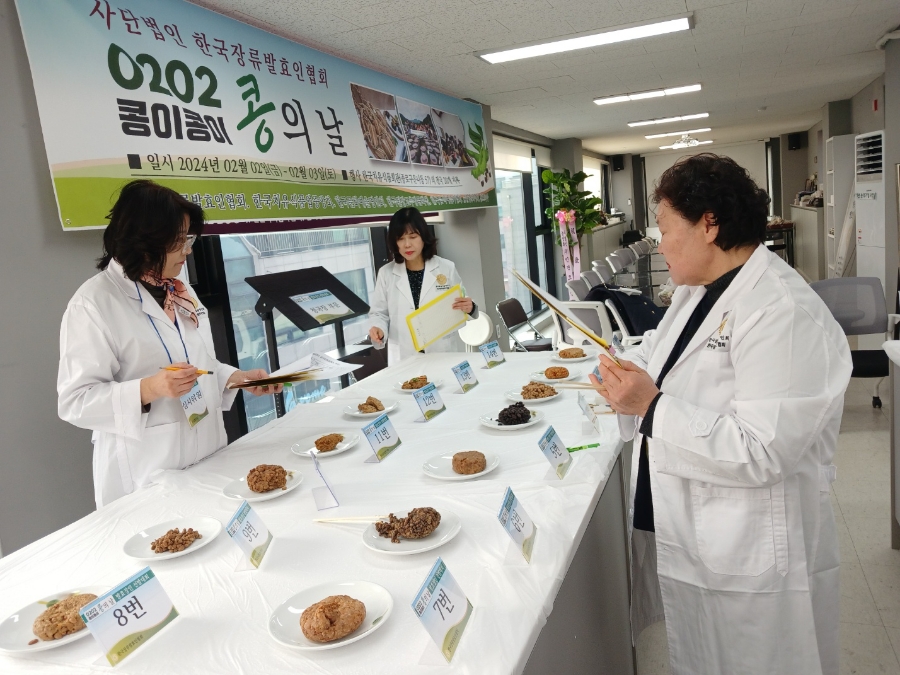
Bean Day (2.2) in Korea, where soybean fermentation is evaluated, shared, and transmitted
through expert practice rather than visual spectacle.
How Koreans Use Beans
Variety, Logic, and Everyday Uniqueness
What distinguishes Korean bean culture is not the presence of beans alone, but the way one ingredient is multiplied into many forms and functions
From the same soybean, Korean cuisine produces fresh foods such as tofu and sprouts, as well as fermented foundations like doenjang and ganjang. Rather than serving as main dishes, beans often structure meals quietly – as seasonings, soup bases, and preservation tools.
Through repetition and variation, beans appear daily without monotony. Fermentation allows one crop to support diverse meals across seasons, embedding sustainability and plantforward cooking into everyday habits.
This logic – beans as infrastructure rather than trend – explains why Korean bean culture remains both deeply traditional and highly adaptable.
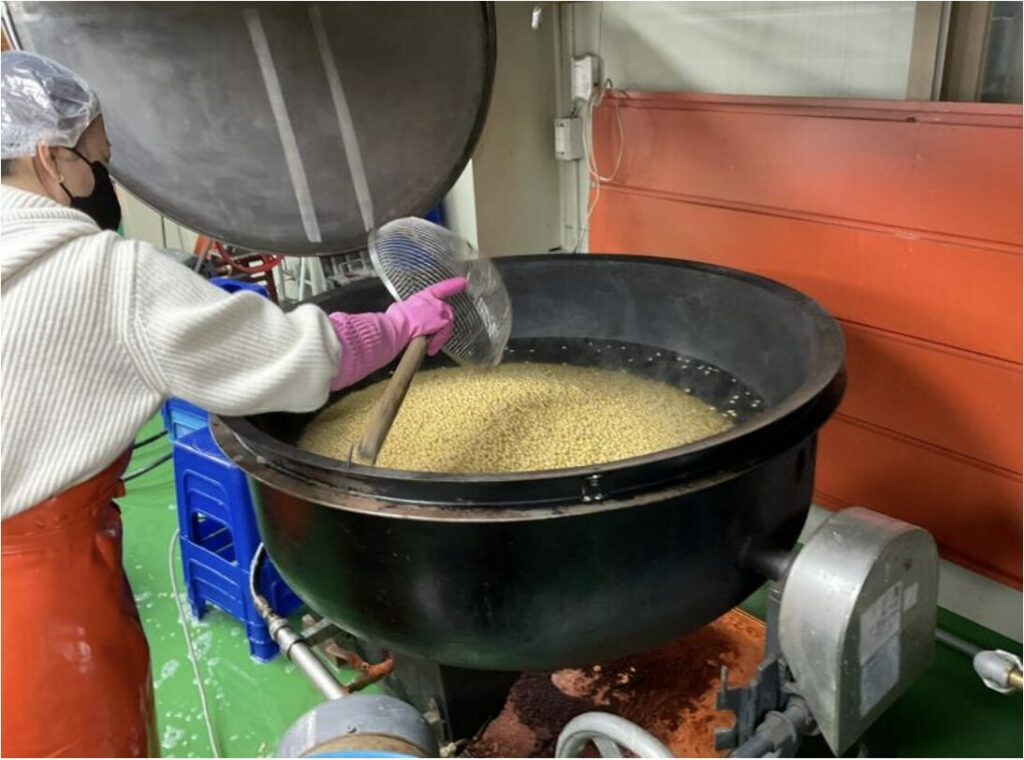
Soybeans being cooked as the first step in traditional fermentation and everyday food
preparation.
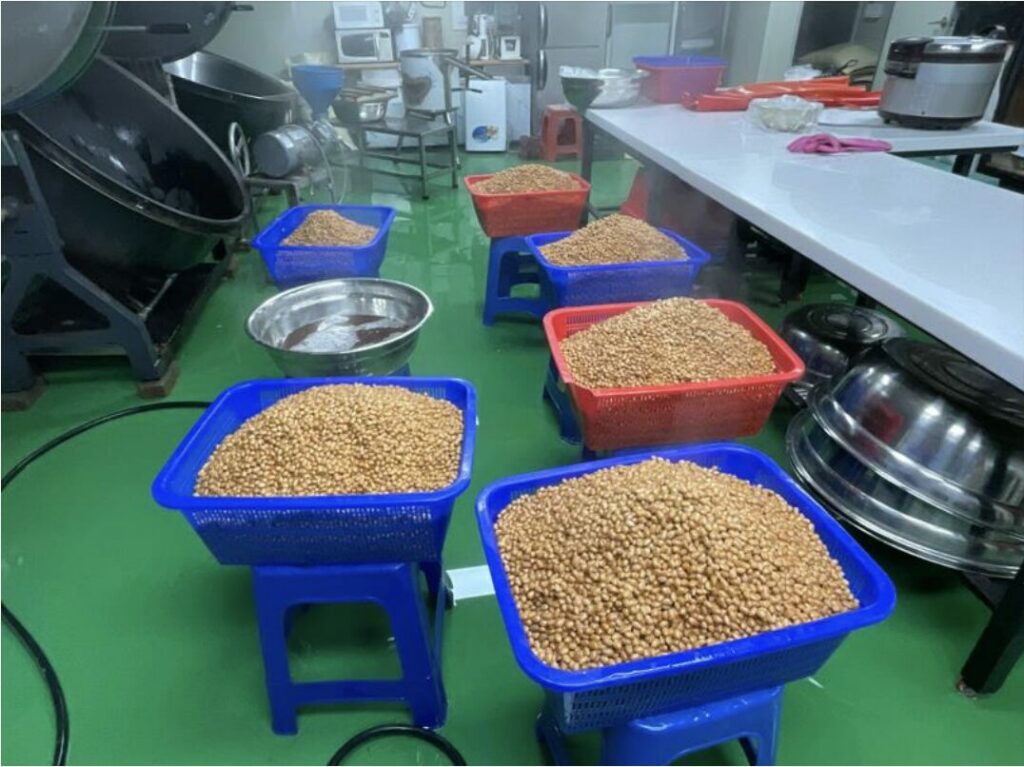
Beans are processed with intention before becoming food.
These everyday preparations illustrate how beans function as culinary infrastructure rather than finished dishes.