
Back in June, Lisa from The Global Bean Project headed to Smilyan in southern Bulgaria to attend a Slow Beans network meeting hosted by Rhodopi-Smilyan Beans Convivium.
The village of Smilyan is nestled deep in the Rhodope Mountains close to the Greek border. 820-850 meters above sea level and bisected by the swift-flowing Arda River, the humidity and mild climate provide the perfect conditions for Smilyan’s famous beans to thrive.
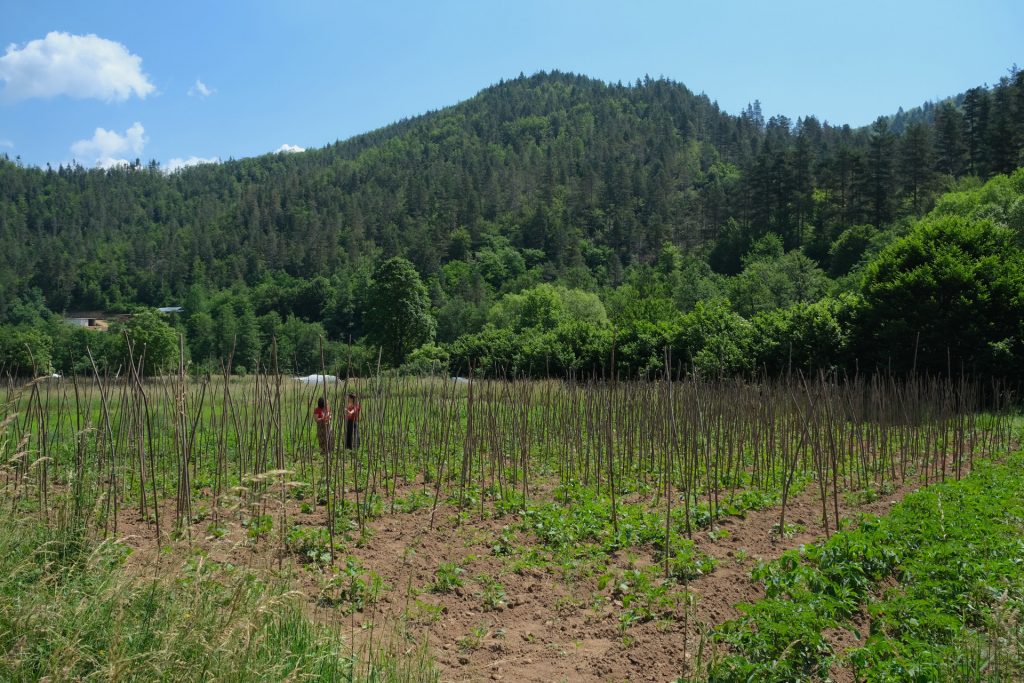
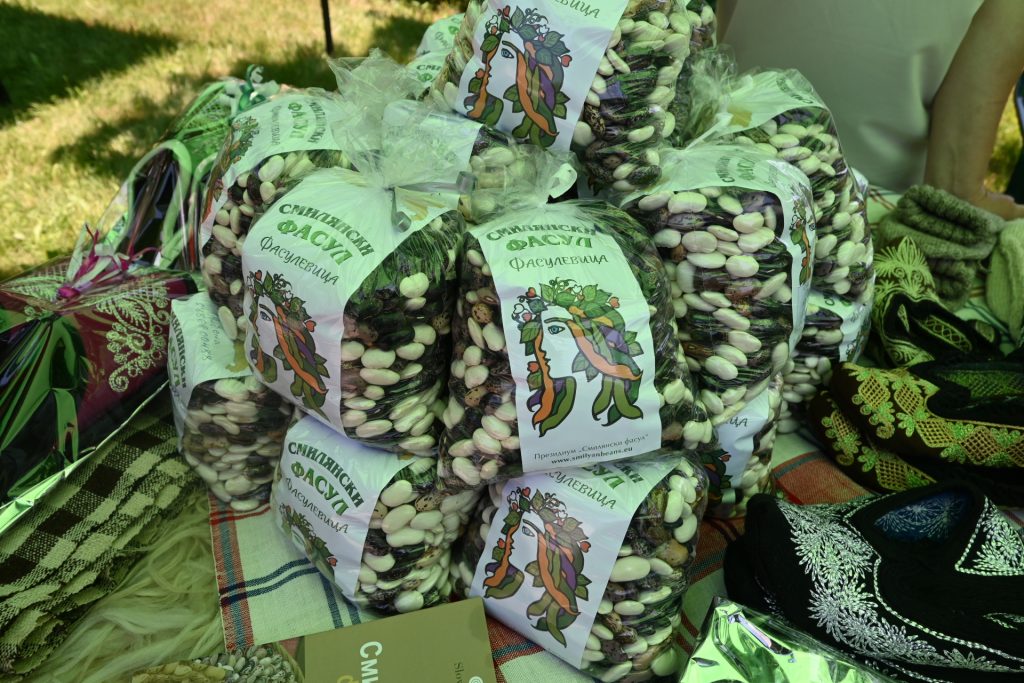
Smilyan beans, which come in large and small varieties, have been cultivated in the area for over 250 years and are a vital crop for farmers. The Smilyan Bean Festival typically takes place during the last weekend of October and attracts visitors from around the country and abroad. It’s an annual celebration of the beloved legumes that received protected status in 2007. With the support of Slow Food, work has been undertaken to ensure that consumers are purchasing genuine Smilyan beans and not counterfeits which are apparently a problem.
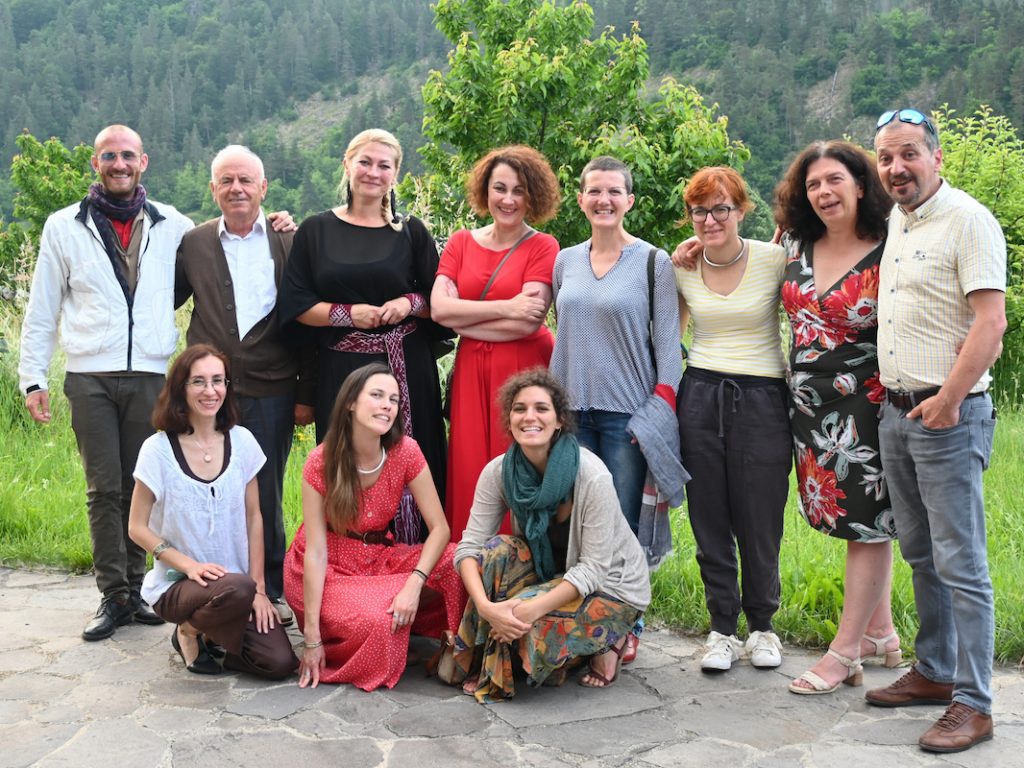
This year, Slow Food invited members of their Slow Beans network to Smilyan. Attendees had the chance to learn more about Smilyan beans and discuss the role that beans can play as part of healthy and sustainable diets. Talks touched on subjects such as food protein transition and healthy food in canteens, and local experts and producers from around the country gathered to put on a bean showcase for visitors.
You can take a look at some of the highlights from the event on our YouTube channel.