UCP is a research university characterized by a humanist vision committed to contributing to knowledge creation and to the well-being of society. Research at the University is organized into Research Centres and Associate Laboratories, following the National Scientific System implemented by the Portuguese Science Foundation. UCP is committed to disseminating its research outcomes both nationally and internationally. The School of Biotechnology (ESB), provides higher education with emphasis on the agro-food and environmental areas and their interfaces with health and well-being. ESB hosts the research unit Centre for Biotechnology and Fine Chemistry (www.cbqf.esb.ucp.pt), rated as Excellent by an international panel in the 2019 evaluation by the Portuguese Foundation for Science and Technology.
Global Bean projects we are involved in:
 Publications
 Showgarden
 Recipes
 Events
 Articles
Legume nutritional evaluation, abiotic stress tolerance evaluation, legume germplasm, legume recipe books
Partnerships for legume dissemination, for trialling different legumes in different geographic locations, partners to participate in our legume-related events, participants that are willing to answer questionnaires/surveys on legume consumption
December 2021

Multiplication of Legume Seeds
"For small quantities, shelling can be done by hand. For larger quantities, you can beat the pods with a stick. You can also walk on them." Learn how to properly multiply your bean, faba bean and pea seeds!
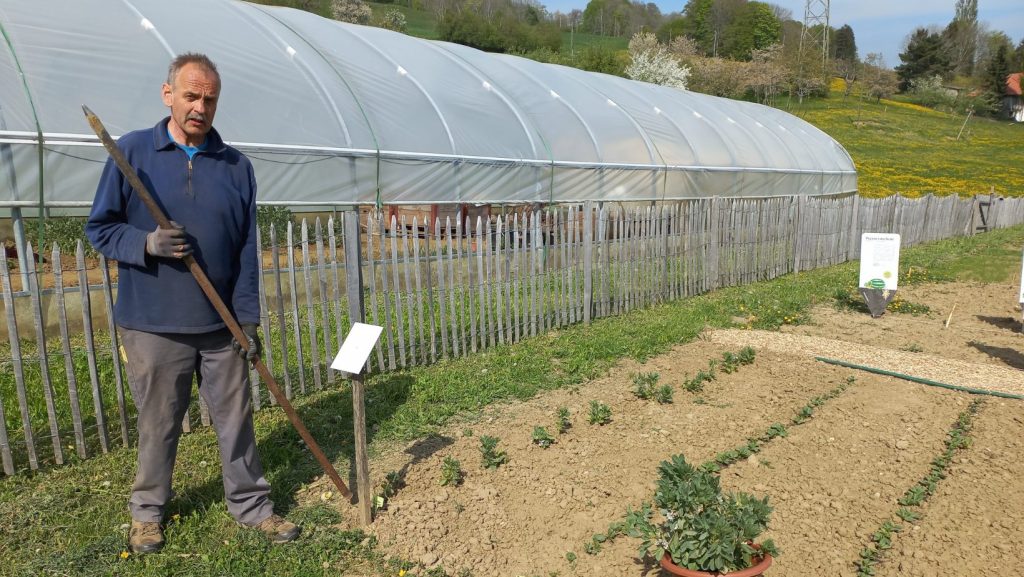
Global Field Attiswil
On the 2,000 m² field in Attiswil, the world's most important 50 or so arable crops are grown in the proportions in which they grow on the world's 1.4 billion hectares of arable land. “Beans” are the annual topic in 2022 with little show gardens, installations and events.
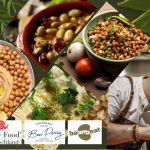
Cooking with Pulses
This online cooking event explored the secrets of cooking with pulses with Chef Ben Perry showing us how to make two dishes. Maultaschen, sometimes referred to as Swabian ravioli, is a dish that is said to have been first created by Cistercian monks in the south of Germany. The filling for our version was a

Give Peas a Chance
Pulses are good for you and good for the planet. They are a great source of proteins and play an essential role in keeping our soils healthy, making delicious allies for a sustainable future. But in our ever faster daily lives, it can be hard to include them in our cooking.
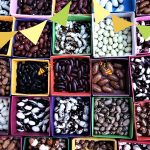
Global Bean Seed Festival 2022
Exchanging seeds and telling stories about them is probably among the oldest springtime rituals ever since humans started farming. Films, instructions, presentations and discussions were shared on March 2nd 2022 during the Global Bean Seed Festival.

Exploring Bean Diversity
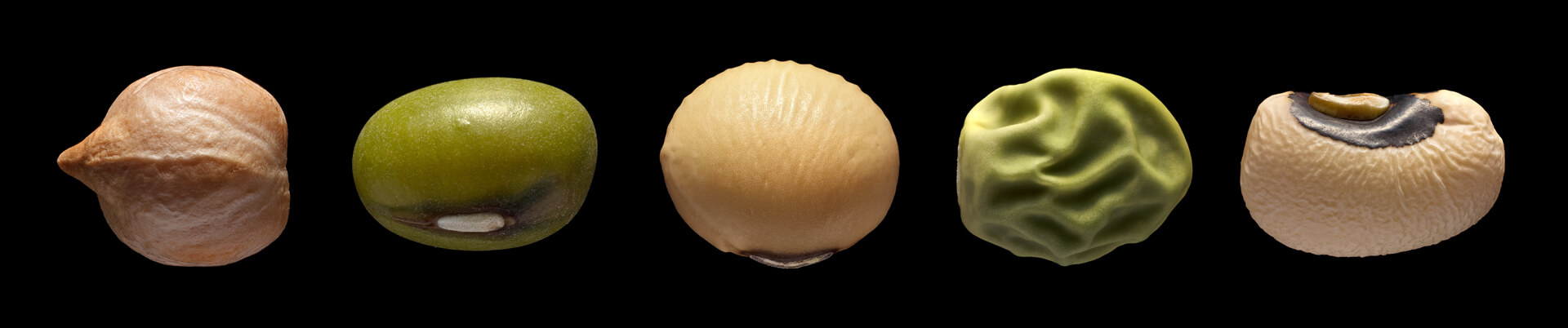
Beans (phaseolus) are the most important legumes of the world - and probably the most diverse and beautiful pulses. At the occasion of World Pulses Day 2022, Patrick Kaiser from Genbänkle, Germany, leads us through the history and diversity of beans.

Chili Sin Carne
On the 2,000 m² field in Attiswil, the world's most important 50 or so arable crops are grown in the proportions in which they grow on the world's 1.4 billion hectares of arable land. “Beans” are the annual topic in 2022 with little show gardens, installations and events.

Tavče Gravče
On the 2,000 m² field in Attiswil, the world's most important 50 or so arable crops are grown in the proportions in which they grow on the world's 1.4 billion hectares of arable land. “Beans” are the annual topic in 2022 with little show gardens, installations and events.

Bean Hummus
On the 2,000 m² field in Attiswil, the world's most important 50 or so arable crops are grown in the proportions in which they grow on the world's 1.4 billion hectares of arable land. “Beans” are the annual topic in 2022 with little show gardens, installations and events.


